Collectibles: The issue isn’t the frequency of inspections—it’s who is trusted to carry them out
Proposal to the Minister
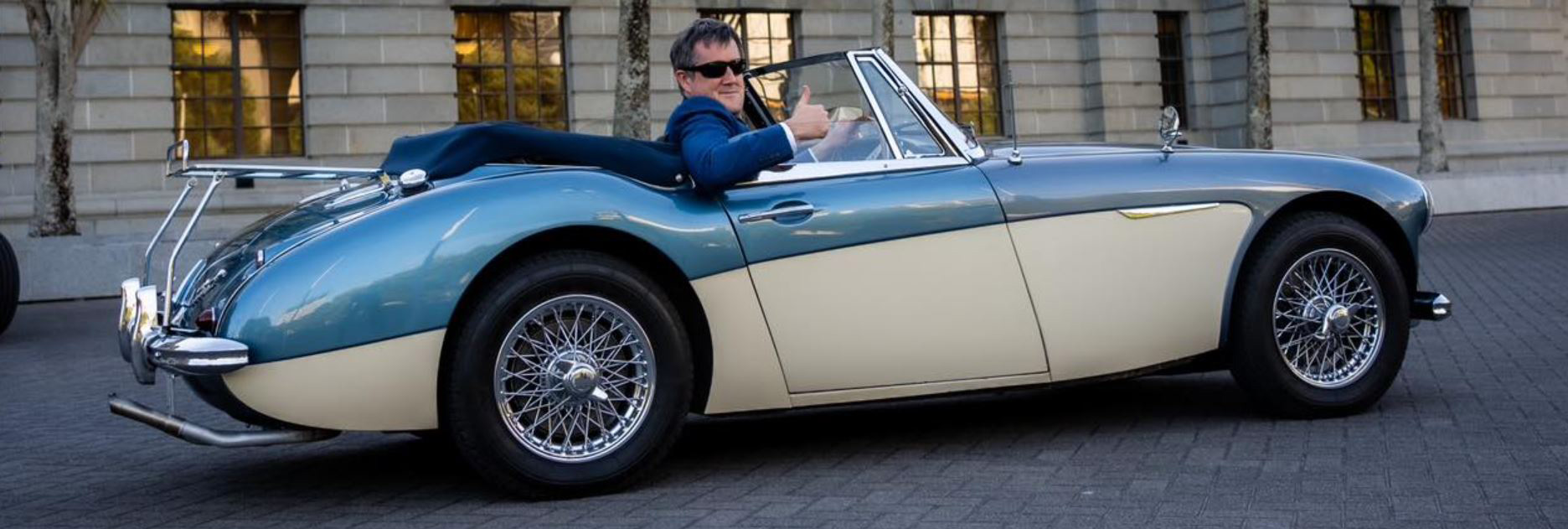
License qualified owners of collectible vehicles to perform WoF inspections
The issue
Subject Matter: Collectible Motor Vehicles (collectibles) represent about 10% of New Zealand’s fleet. However, they differ fundamentally from the remaining 90%—referred to here as transportables.
- Transportable Vehicles (TV) are valued for what they do – to move people and goods from point A to point B to accomplish the chores of daily life.
- Collectible Vehicles (CV) are valued for what they are – preserved for their historical, recreational, and cultural significance.
While transportables are necessary, collectibles are discretionary. But unlike museum artefacts, collectible vehicles must be driven to be preserved. Left unused, they deteriorate. These vehicles are best maintained in private hands—by passionate owners who restore and drive them, preserving a national heritage on wheels. As such they represent a $16.5 billion micro-economy.
The Problem:
NZTA treats collectibles like transportables—subjecting them to third-party inspections by individuals often untrained and unfamiliar with collectible vehicles.
This results in:
-
Excessive cost and personal disruption
-
Minimal safety benefit
-
Diversion of time and resources away from restoration and preservation
-
Suppression of a $16.5 billion micro-economy that New Zealand could otherwise champion, especially in the emerging AI-driven economy where traditional jobs are at risk.
The Solution:
Realign the first-entry certification process to match how collectible sourcing and restoration actually happens, and license qualified collectible vehicle owners to perform Warrant of Fitness (WoF) inspections on their own vehicles.
-
Acknowledge the reality: Collectibles are typically imported in unrestored condition and only made roadworthy after arrival. The current first-entry process—designed for used late-model imports sold to consumers—is ill-suited to collector vehicles. For private enthusiasts restoring for personal use, it adds cost, delay, and risk with no real safety benefit.
-
Restore accountability and expertise:
Once road legal, qualified collectible vehicle owners should be licensed to perform their own WoF inspections, replacing third-party inspectors who often lack the specialised knowledge needed to assess vehicles spanning a century of automotive technology.
Proposed Regulatory Reform
-
Reform first-entry inspection: Align the process with the real-world restoration journey of collectibles.
-
Establish a licensing framework: Authorise eligible owners—those with proven knowledge and commitment—to inspect their own collectibles.
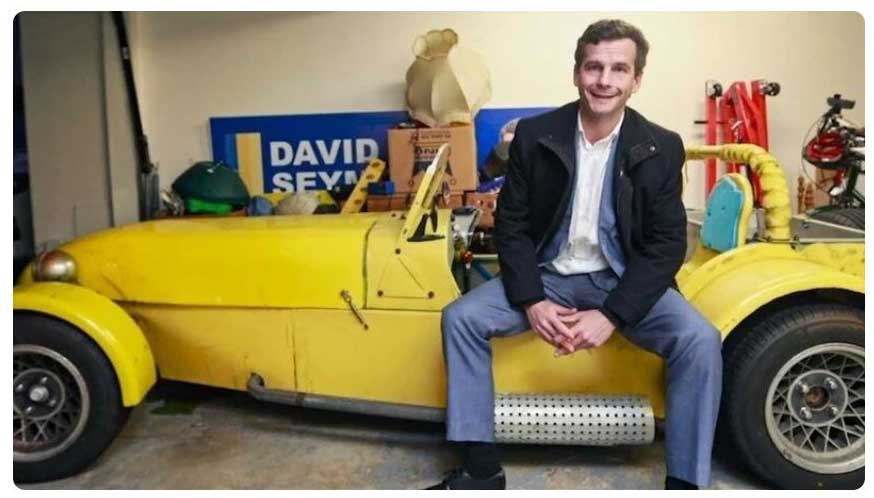
Legislative & Regulatory Amendments
-
Legislative & Regulatory Amendments: In statute and regulation define key terms: transportable (TV), collectible (CV), and recreational purpose
-
NZTA Administration: Establish a 9th, dedicated but small business unit within NZTA to oversee collectibles by interfacing with the collectible community
-
National Representation: Appoint a generalist National Collectible Organisation (NCO) to serve as the interface between collectors and NZTA
-
Qualifying Vehicle List: Task a specialist NCO with maintaining a definitive list of recognised collectible makes and models
-
CV National Registry: Authorise the specialist NCO to establish and maintain a registry of all collectible vehicles in New Zealand
-
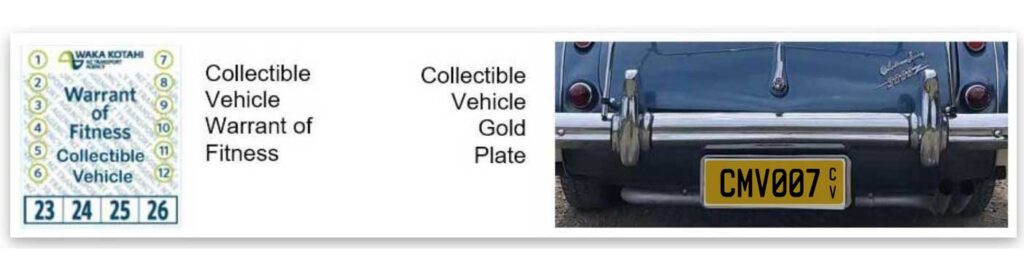
Gold Plate: Introduce a gold-coloured registration plate for collectible vehicles. To be eligible for the gold plate, the CV must be on the national CV registry
-
Fleet Plate: Introduce a special fleet registration plate for use by collectors with multiple CVs, similar to trade plates.
-
CV-WoF Label: Authorise a modified WoF label to read Warrant of Fitness – Collectible Vehicle (CV-WoF) to be affixed to the CV after passing its WoF.
-
Owner Licensing: License eligible collectible vehicle owners to perform WoF inspections on their own collectible vehicles. Licensed owners shall assume full legal responsibility for the accuracy and integrity of their inspections.
-
Collectible Inspection Requirements Manual (CIRM): Prior to registration, each CV must be accompanied by a Collectible Inspection Requirements Manual detailing all safety-critical components of the vehicle and the corresponding allowable tolerances required to pass inspection.
-
First Entry: Upon importation, a roadworthiness plan shall be developed by a qualified individual—this may include a licensed collectible vehicle (CV) owner, a restoration specialist, or a person appointed by a recognised specialist club. The plan shall be implemented and verified through a First Entry Hard WoF Inspection, which entails a more comprehensive examination of safety-critical components than that required for ongoing WoF certification.
-
WoF: The WoF inspection is based on the CIRM and may include safety inspections not found in the universal VIRM (Vehicle Inspection Requirement Manual) – for example inspecting the guibo on any RWD Alfa Romeo
- Logbook: A logbook shall be maintained and kept inside the CV at all times when operated on public roads. It serves as a supporting compliance document and be available for inspection at a road stop by the police. If the record is inaccurate or vehicle safety compromised, the police may remove the registration plates and require the CV to be towed to home or to a repair facility, and not return the plates until an approved third-party inspector has certified the CV safe.
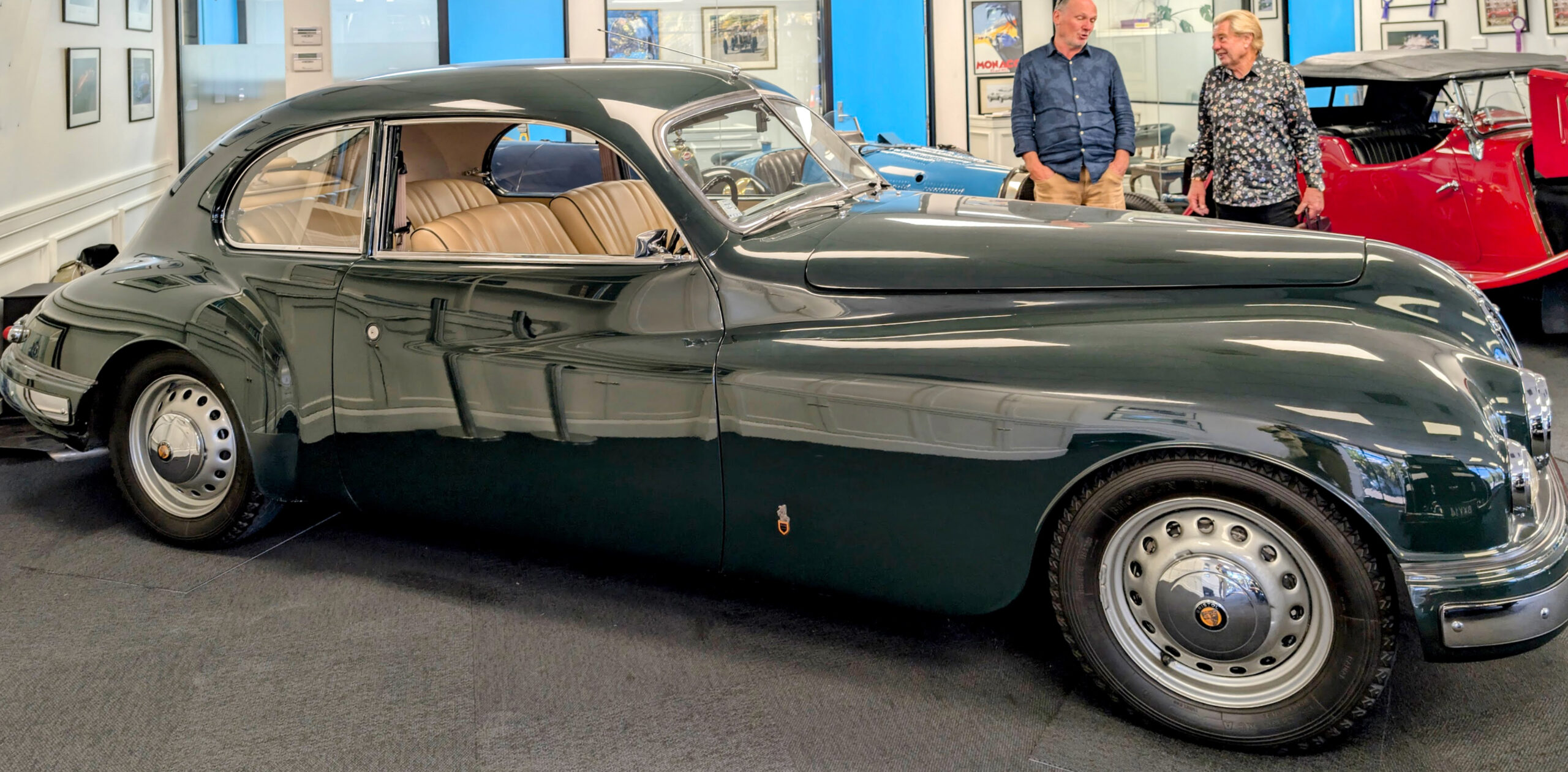

To the Hon Chris Bishop, Minister of Transport: We propose a personal responsibility amendment for collectible WOF and EIC… MORE
Transportable (Motor Vehicle)
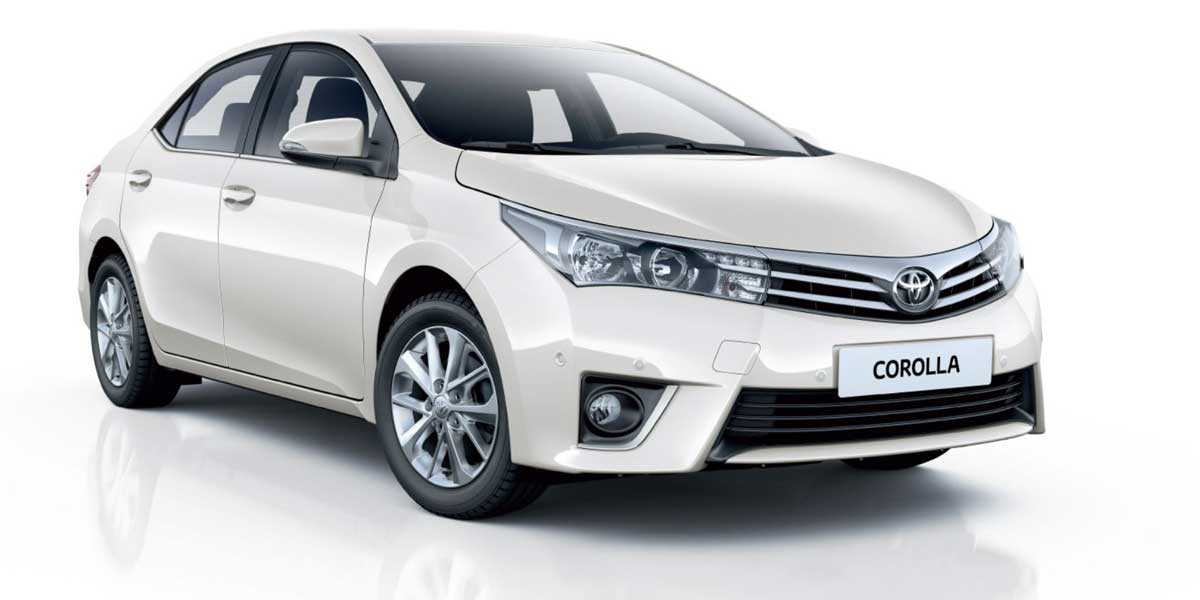
Transportable motor vehicle (transportables) means any motor vehicle used for transport and utility purposes, including transport of people or goods, but does not include collectible motor vehicles.
Collectible (Motor Vehicle
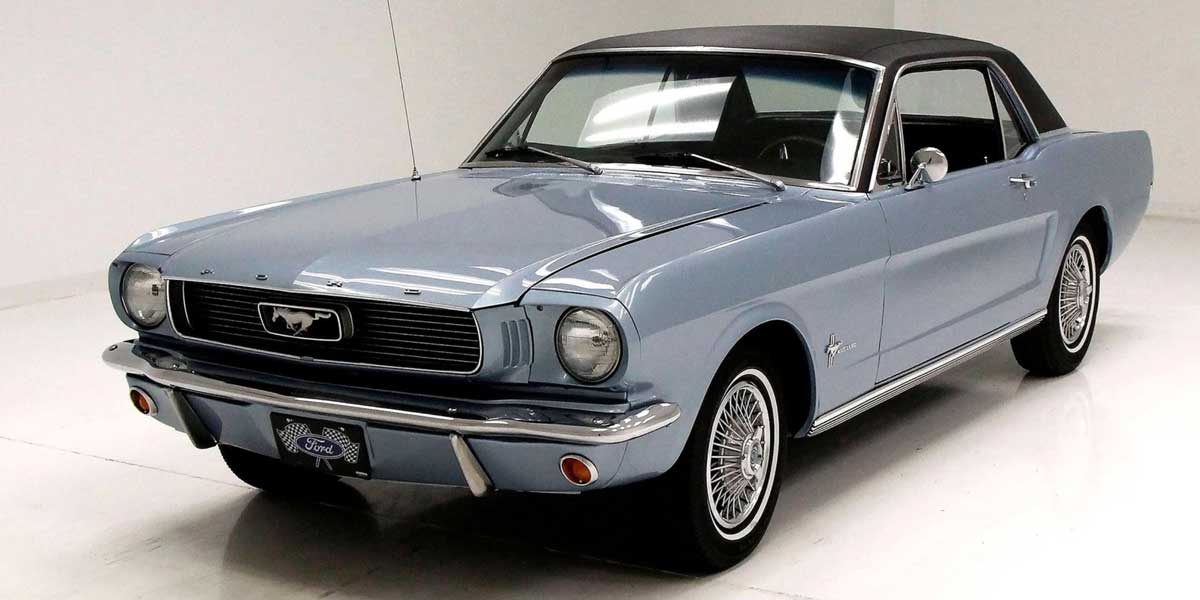
Collectible motor vehicle (collectibles) means any motor vehicle that is registered by the Historic Vehicle Authority of New Zealand, the NZ Vintage Car Club (VCC) on the Vehicle Identity Card (VIC) registry (or similar). Collectible motor vehicles are owned and used for recreation, historic preservation and cultural enrichment, not for commercial or utility purposes. Most but not all collectibles are age 25+ years.
Learn More – Read these detailed posts
2025 – Public Domain